Leave Your Message
Explore our curated selection of premium cosmetic raw materials designed to complement Sodium Lauryl Ether Sulfate-based formulations across cleansing, conditioning, and skin-care applications.
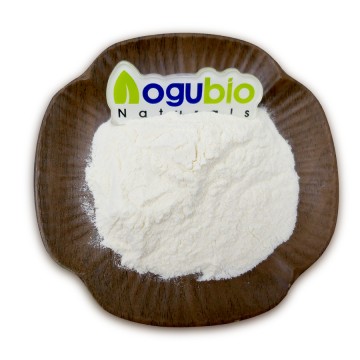
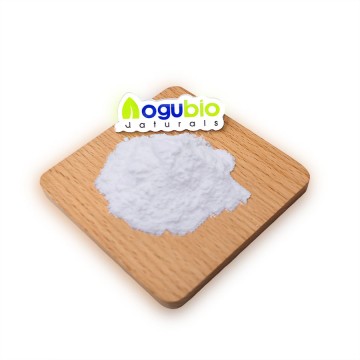
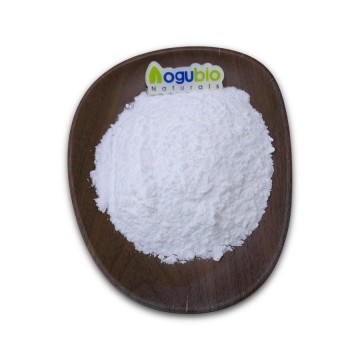
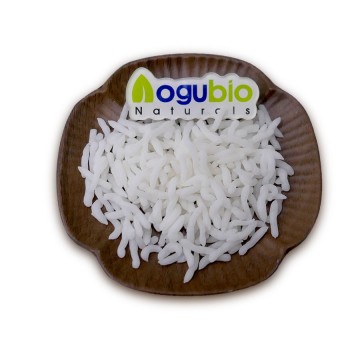
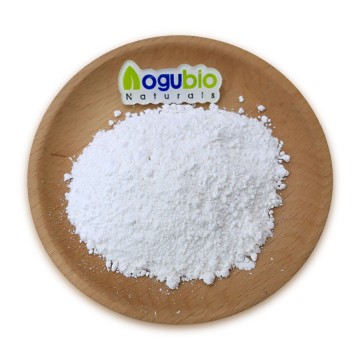
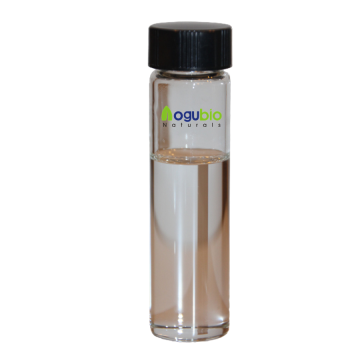
Sodium Lauryl Ether Sulfate (SLES), also known as Sodium Laureth Sulfate, is one of the most widely utilized anionic surfactants in the global cosmetics and personal care industry. With the INCI designation Sodium Laureth Sulfate, it is produced through the ethoxylation of lauryl alcohol followed by sulfation and neutralization. The resulting molecule exhibits exceptional amphiphilic properties — a hydrophilic sulfate head group combined with a lipophilic alkyl chain — making it an outstanding cleaning, foaming, and emulsifying agent.
Compared to its close relative Sodium Lauryl Sulfate (SLS), SLES demonstrates significantly improved mildness and skin compatibility. The presence of ethylene oxide units (typically 2–3 EO) in the molecular structure reduces direct irritation to the skin and mucous membranes, which is why SLES has become the preferred surfactant in premium personal care formulations targeting sensitive skin, baby care, and daily-use cleansing products.
SLES is produced at multi-million metric ton scale globally, with primary manufacturing hubs in China, India, Germany, and the United States. Its cost-effectiveness, functional versatility, and regulatory acceptance across major markets (EU Cosmetics Regulation, FDA, China NMPA) have solidified its position as the backbone surfactant in countless product categories — from shampoos and body washes to industrial cleaners and agricultural formulations.
From formulation labs to mass production lines, SLES delivers unmatched performance across critical parameters that matter most to cosmetic manufacturers and brand owners.
Generates abundant, stable, and creamy foam profiles essential for shampoos, body washes, facial cleansers, and bath products. Foam stability is maintained across a wide pH and temperature range.
Ethoxylation significantly reduces irritation potential versus SLS. Zein protein test and HRIPT studies confirm SLES as a well-tolerated ingredient suitable for sensitive skin and pediatric applications.
Compatible with a broad spectrum of co-surfactants (CAPB, SCI, betaines), thickeners (NaCl, HPMC), conditioning agents, and active ingredients. Enables diverse viscosity profiles without performance loss.
Accepted under EU Regulation (EC) No 1223/2009, FDA 21 CFR, China GB standards, and ISO cosmetic ingredient frameworks. Facilitates seamless market entry across North America, Europe, and Asia-Pacific.
High active matter concentration (70% paste or 28–30% liquid) reduces logistics costs. Established global supply networks ensure price stability and consistent availability for large-scale procurement programs.
Readily biodegradable per OECD 301B. Increasingly available in bio-based variants derived from coconut or palm kernel oil, supporting green cosmetic formulation and ESG supply chain commitments.
Understanding the evolving landscape of SLES procurement is essential for cosmetic brands, contract manufacturers, and ingredient distributors building resilient supply programs.
The global market for Sodium Lauryl Ether Sulfate was valued at approximately USD 1.8 billion in 2023 and is projected to grow at a CAGR of 4.2–5.5% through 2030, driven by rising personal care consumption in emerging markets, premiumization of haircare and body care categories, and the expansion of the professional salon and spa industry. Asia-Pacific — led by China, India, and Southeast Asia — accounts for over 55% of global SLES production capacity, making it the epicenter of both supply and demand growth.
In the industrial segment, SLES continues to gain traction in household cleaning products, industrial degreasers, textile processing, and oilfield applications. However, cosmetic-grade SLES remains the highest-value segment due to stringent purity requirements (1,4-dioxane content ≤10 ppm in EU, ≤10 ppm FDA guidance) and the need for consistent lot-to-lot quality for consumer safety and regulatory compliance.
Regulatory agencies globally are tightening permissible 1,4-dioxane levels in rinse-off and leave-on cosmetics. This is accelerating investment in advanced stripping and vacuum distillation technologies among SLES manufacturers, with "ultra-low dioxane" grades (≤2 ppm) commanding premium pricing in the North American and European markets.
Consumer demand for sustainably sourced ingredients is pushing formulators to seek RSPO-certified palm-derived or coconut-derived SLES alternatives. Bio-based SLES produced from renewable feedstocks is now a key differentiator in premium and natural cosmetic positioning, with Ecocert and COSMOS certification increasingly requested by brand owners.
Post-pandemic supply disruptions have prompted cosmetic manufacturers to diversify their SLES supplier base, moving away from single-source dependencies. Multi-regional sourcing strategies — combining primary suppliers in China with secondary sources in Europe or India — are now standard practice for Tier 1 personal care brands managing supply risk.
Demand is rising for specialty SLES grades tailored for specific applications: ultra-mild SLES-3EO for baby care, high-concentration 70% paste for industrial efficiency, and low-color/low-odor grades for premium transparent formulations. Suppliers offering customized EO distribution profiles and tight specification windows are gaining competitive advantage in B2B cosmetic ingredient markets.
Cosmetic brands and contract manufacturers are demanding comprehensive digital documentation packages — including full CoA, SDS, REACH registration, biodegradability data, and supply chain traceability reports. Ingredient suppliers with robust digital quality management systems and real-time lot tracking capabilities are preferred partners in modern sourcing programs.
Leading SLES suppliers are evolving beyond commodity trading to offer formulation support services — providing blending recommendations, compatibility testing data, and co-development partnerships for novel cleansing systems. This value-added approach is redefining supplier relationships in the cosmetic ingredient sourcing ecosystem.
Beyond its foundational role as a primary surfactant, SLES enables sophisticated formulation architectures across a diverse range of personal care and cosmetic product categories.
In shampoo formulation, SLES (typically at 10–15% active concentration) serves as the primary cleansing backbone, delivering rich lather and effective sebum removal. When combined with cocamidopropyl betaine (CAPB) at a 3:1 ratio, the system achieves optimal mildness-foam balance, reducing irritation while maintaining cleansing efficacy. Advanced shampoo systems incorporate SLES alongside conditioning actives (cationic guar, polyquaternium-10) and scalp-targeting ingredients (zinc pyrithione, salicylic acid, biotin), leveraging SLES's excellent compatibility as a formulation carrier.
For anti-dandruff, color-protect, and keratin-treatment shampoos, SLES-based systems offer the pH flexibility (5.5–7.0) needed to preserve active ingredient integrity while delivering consumer-preferred sensory profiles — key requirements in premium hair care sourcing programs.
SLES is the dominant primary surfactant in body wash globally, used at 8–18% active levels depending on target viscosity, foam profile, and skin feel objectives. The formulator's ability to modulate viscosity through NaCl addition (salt curve optimization) makes SLES-based body washes highly cost-effective to manufacture at scale. Incorporation of skin-conditioning co-ingredients — sodium PCA, glycerin, ceramide precursors, and botanical extracts — creates differentiated "skin-caring cleanser" positioning that commands retail premium pricing.
Low-concentration SLES (3–6% active) in combination with mild amphoteric surfactants (betaines, amino acid surfactants such as Sodium Cocoyl Glutamate or Sodium Lauroyl Sarcosinate) forms the basis of gentle facial cleansing systems suitable for acne-prone, sensitive, and post-procedure skin. The trend toward "skin barrier-respecting" cleansers has driven formulation innovation using SLES at minimal effective concentrations, paired with ceramide-replenishing and microbiome-supporting actives.
SLES-3EO (three ethylene oxide units) is the preferred grade for baby shampoo and body wash formulations, offering superior mildness and "no-tears" performance validated by ophthalmological testing. Regulatory requirements for baby care products in the EU and China mandate especially low 1,4-dioxane levels, driving demand for ultra-purified SLES grades with advanced quality documentation — a key consideration in pediatric cosmetic ingredient sourcing programs.
Pharmaceutical and cosmetic-grade SLES finds application in toothpaste formulations as a foaming and cleaning agent, typically at 1–2% active concentration. Its compatibility with fluoride actives, abrasive systems, and flavor components makes it a functional choice for oral hygiene products, where foaming perception is directly linked to consumer cleaning efficacy assessment.
Beyond personal care, technical-grade SLES serves as a key ingredient in industrial hard surface cleaners, textile scouring agents, agricultural adjuvants, and oilfield production chemicals. The ability to source cosmetic-grade and industrial-grade SLES from a single qualified supplier offers procurement efficiencies for diversified chemical companies managing multi-category ingredient supply programs.
Founded in 2013 and headquartered in the prestigious high-tech zone of Xi'an, Xi'an Aoge Biotech Co., Ltd., along with its subsidiaries Xi'an Imaherb Biotech Co., Ltd. and Xi'an Nahanutri Biotech Co., Ltd., has established itself as a leading force in the cosmetics raw materials industry.
Our expansive cooperative factory, spanning 1,000 mu (approximately 165 acres), is equipped with state-of-the-art extraction technology. This advanced infrastructure allows us to manufacture a wide array of premium cosmetic raw materials. Our product line includes natural plant extracts specifically designed for organic cosmetics, as well as synthetic ingredients for high-end skincare formulations. These raw materials serve as the foundation for a multitude of skincare, haircare, and makeup products, ensuring superior quality and efficacy throughout the entire production process.
View More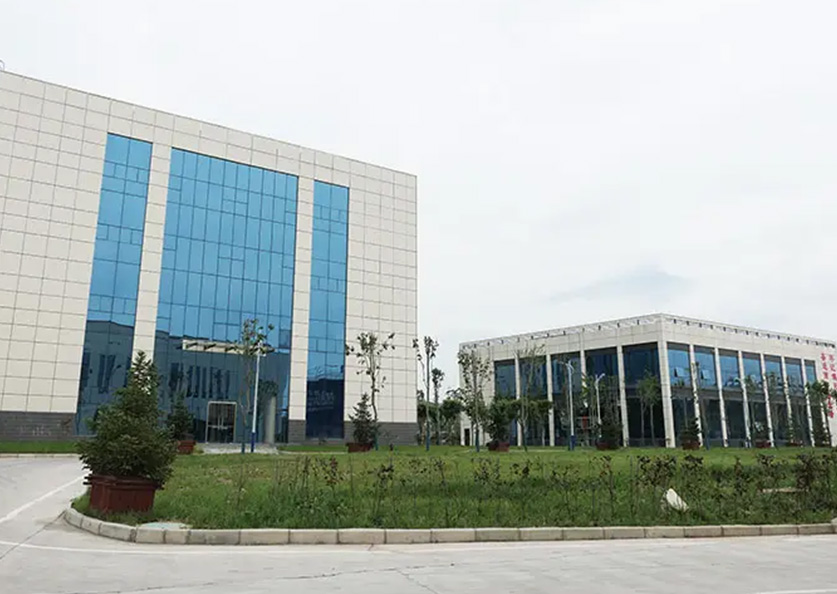
Partner with Aogebio for your SLES and cosmetic ingredient sourcing programs — from sample evaluation to full-scale supply agreements.
Get Product SamplesOur in-house lab uses advanced instruments like UPLC, HPLC, GC-MS, ICP-MS for quality control, ensuring raw materials meet strict international standards.
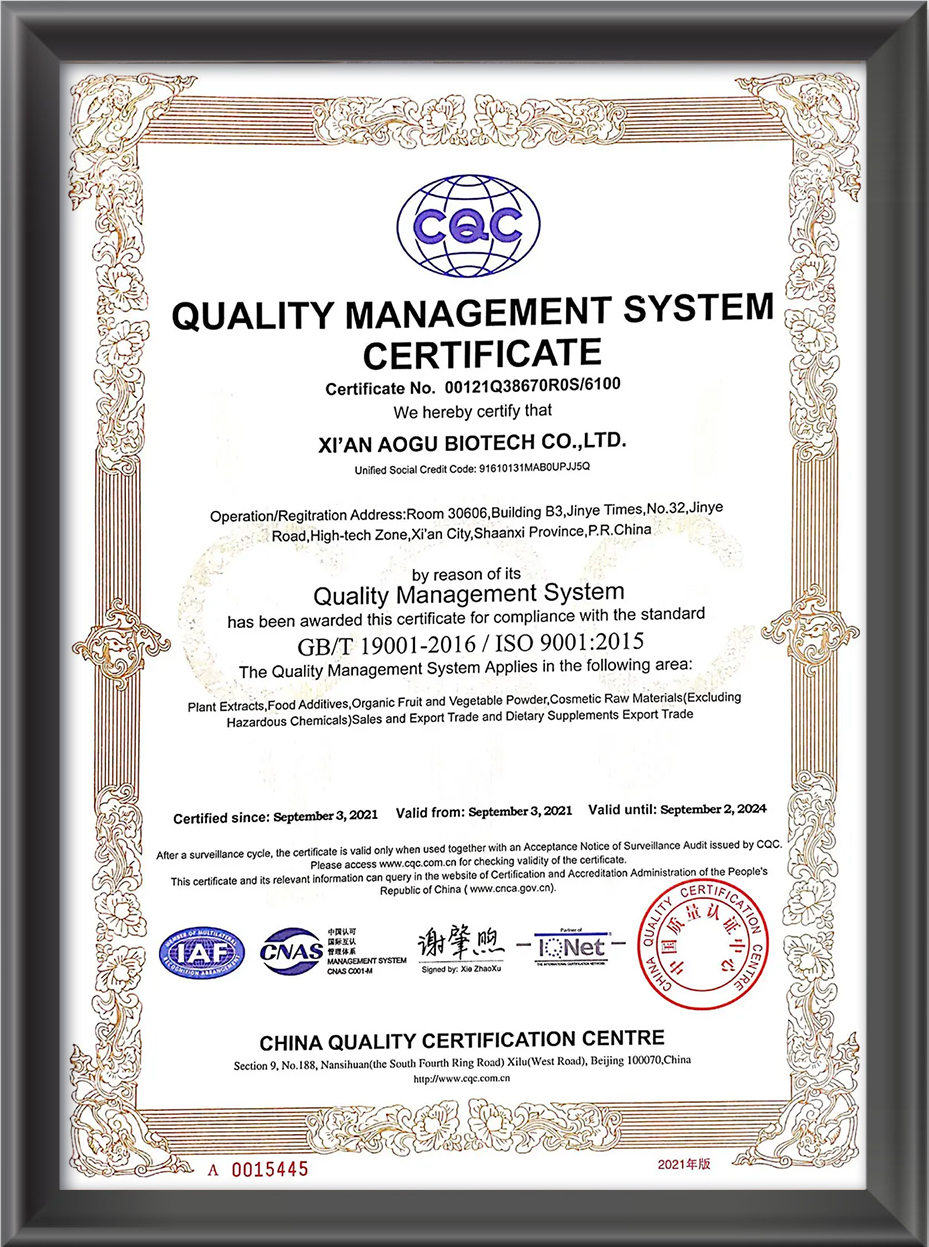
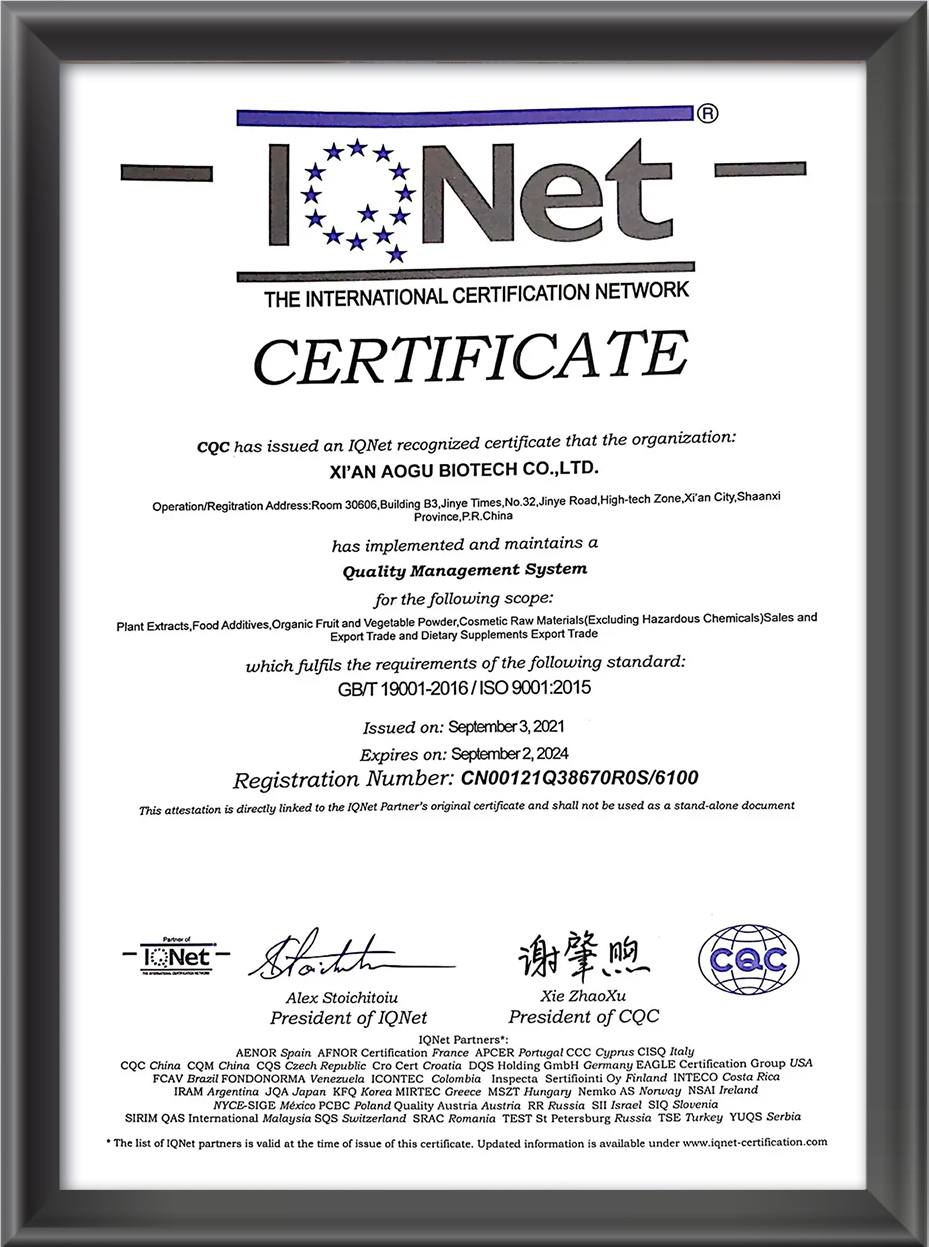
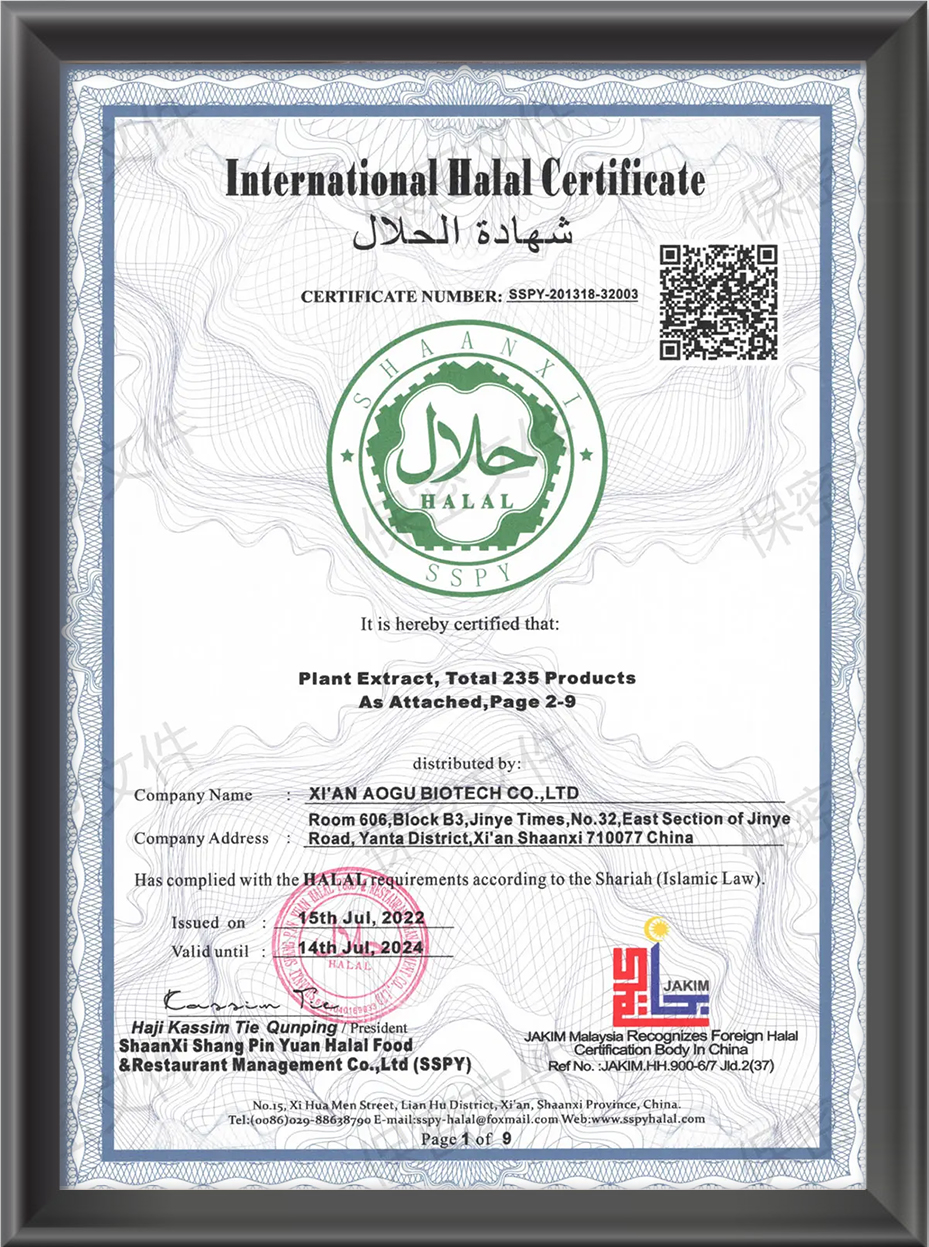
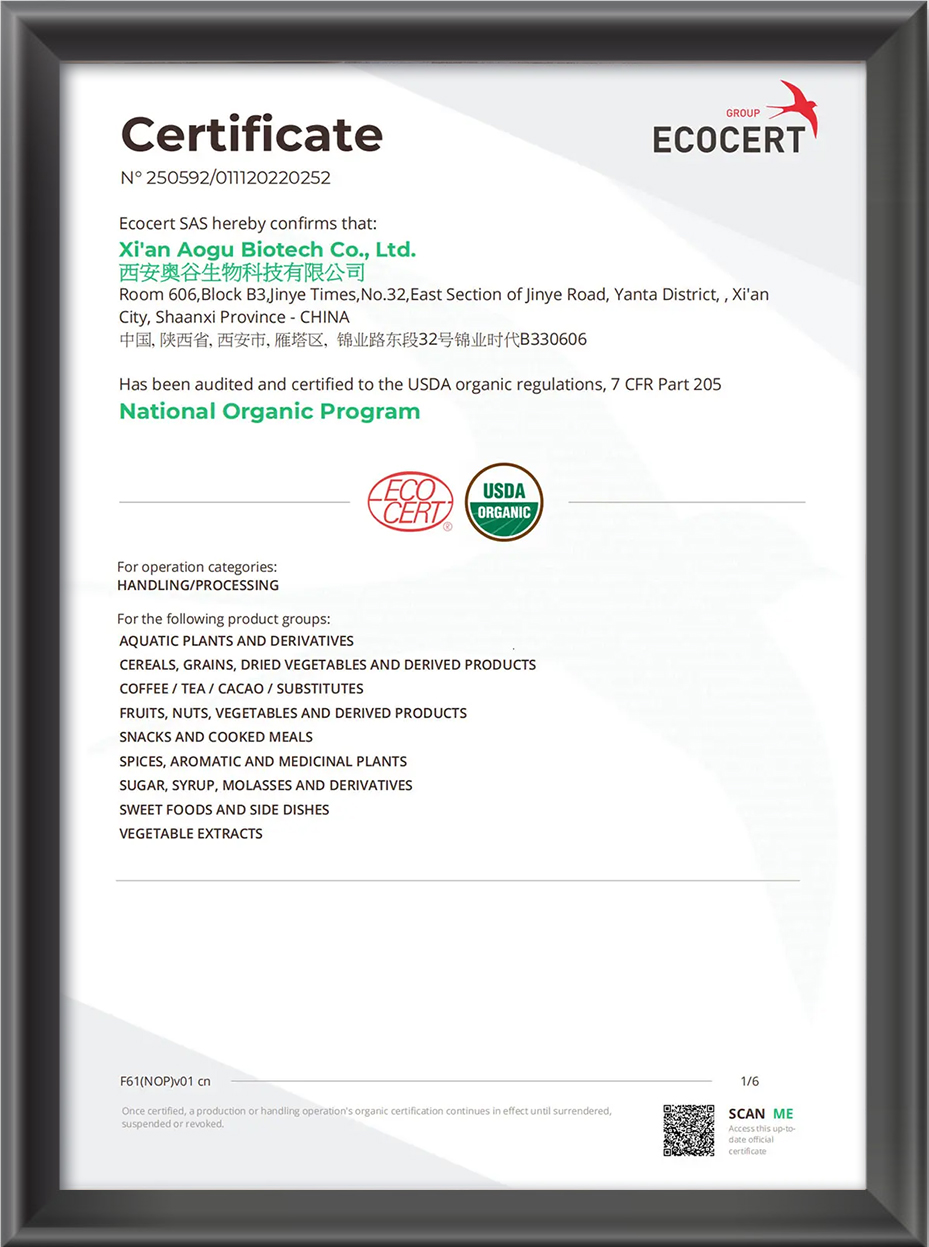
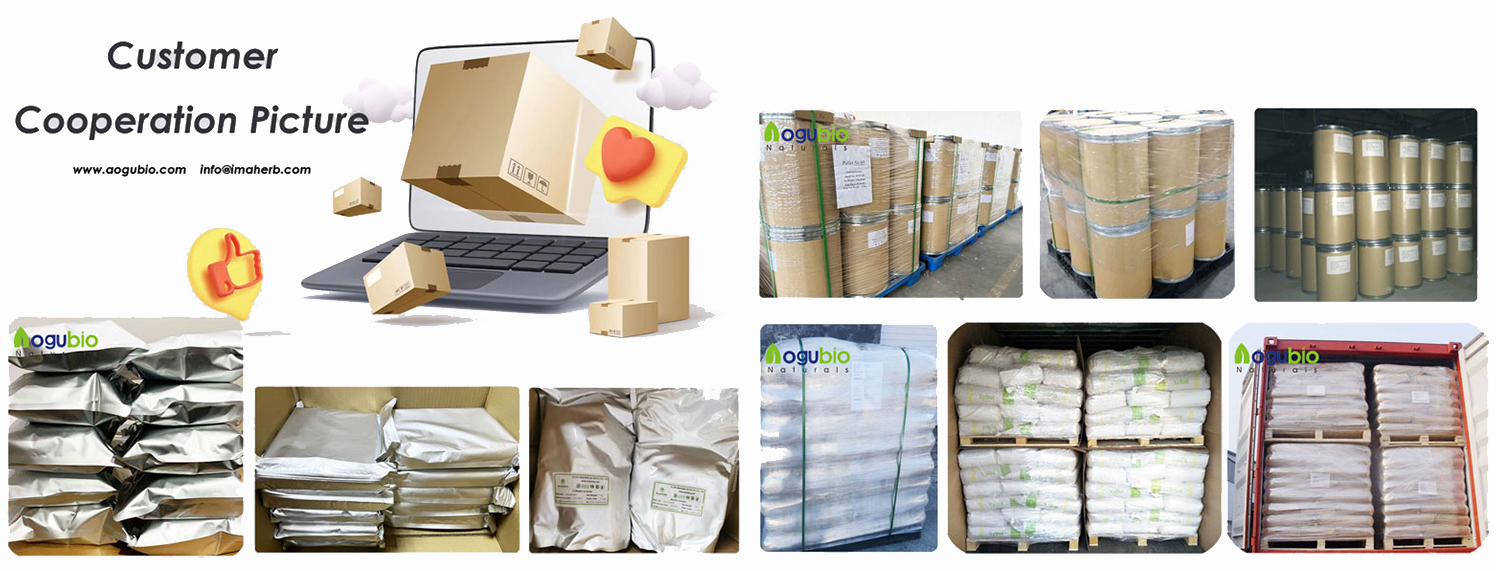
A strategic approach to SLES procurement ensures supply security, quality consistency, and regulatory compliance across your entire product portfolio.
When evaluating SLES suppliers for cosmetic ingredient sourcing programs, procurement teams should assess the following critical parameters:
A structured SLES evaluation program should progress through: (1) Initial sample assessment — analytical verification against specification, basic compatibility screening; (2) Formulation trials — incorporation into target product matrices, foam/viscosity/stability testing; (3) Consumer panel or in-use testing — sensory evaluation, mildness assessment; (4) Scale-up qualification — manufacturing process validation at pilot and production scale; (5) Ongoing supply agreement — defining quality standards, lead times, minimum order quantities, and contingency supply arrangements.
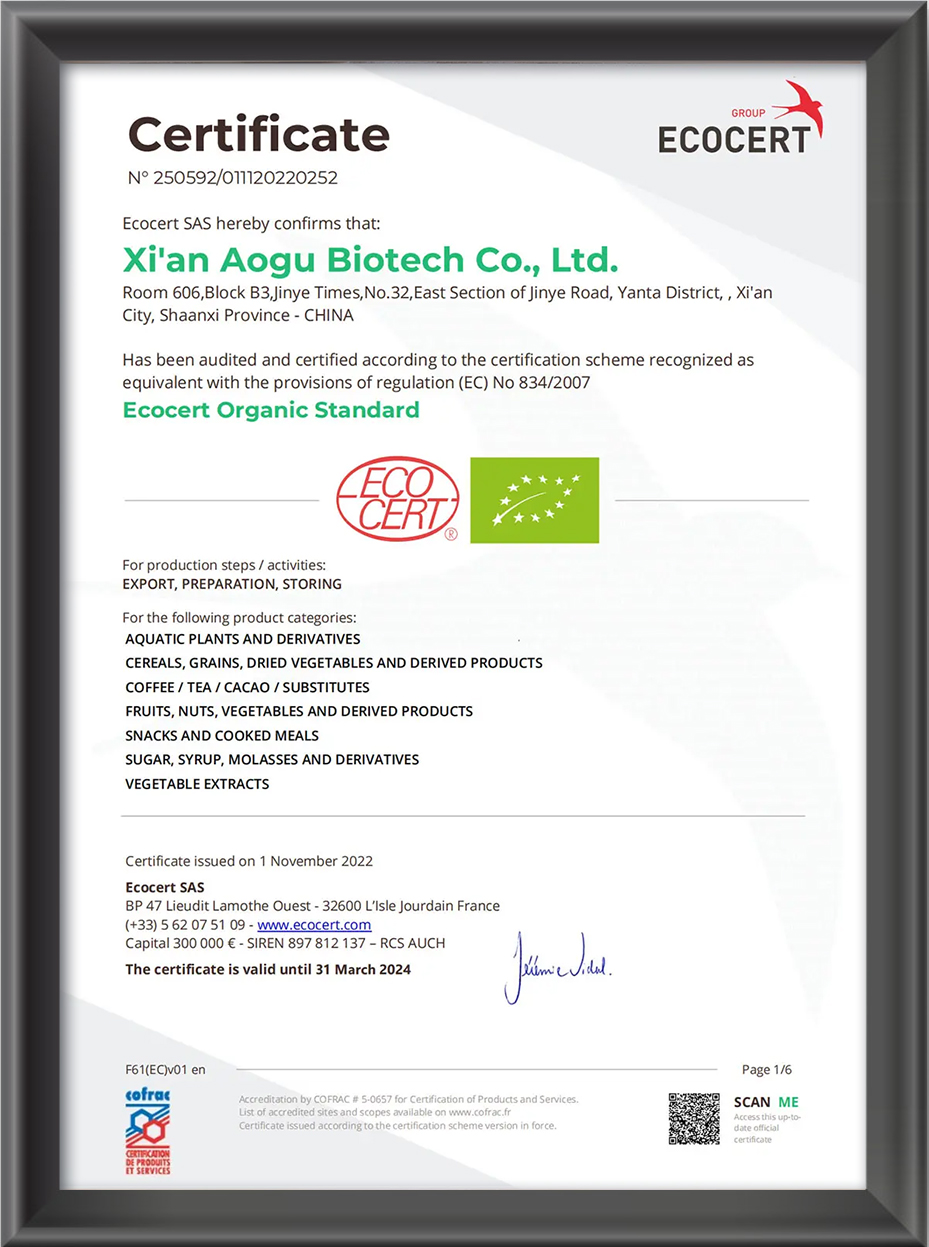
Aogebio LLC brings over two decades of cosmetic raw material expertise to SLES-based ingredient sourcing programs. Our vertically integrated supply chain — from raw material procurement through finished ingredient manufacturing and quality testing — ensures every batch meets the exacting standards required by global cosmetic brands and contract manufacturers. With monthly production capacity exceeding 50 tons and a fully equipped analytical laboratory utilizing UPLC, HPLC, GC-MS, and ICP-MS instrumentation, we deliver the quality consistency and documentation depth that modern cosmetic ingredient sourcing programs demand.
Complement your SLES-based formulations with our full range of cosmetic raw materials — from amino acid surfactants to specialty emulsifiers and skin-active compounds.