
The Role and Types of Surfactants in Cosmetics
In the complex world of cosmetic formulations, surfactants play a crucial role. Beyond the basic components of oil and water, cosmetics rely on a variety of functional ingredients, with surfactants being indispensable. They are involved in multiple functions such as emulsification, dispersion, solubilization, foaming, cleaning, lubrication, and softening. As the demand for diverse cosmetic dosage forms and enhanced functions grows, the range of surfactants used in the industry is also expanding.
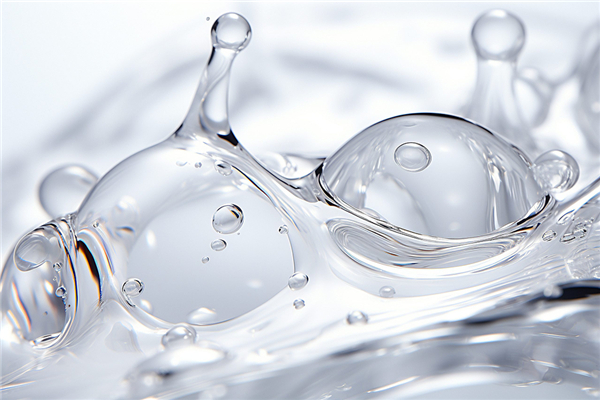
Surfactants are chemical substances with unique structures that can change the properties of liquid surfaces, liquid - liquid interfaces, and liquid - solid interfaces. Their most important function is to modify the surface properties of liquids, mainly by reducing the surface tension of the solvent, which leads to significant changes on the liquid surface. In the context of cosmetics, surfactants used should meet strict criteria: they must be non - irritating, non - toxic, colorless, highly stable, and free from unpleasant odors to ensure the safety and quality of cosmetic products.
Classification of Surfactants in Cosmetics
Surfactants can be classified into different types based on their dissociation behavior in aqueous solutions and the charge they carry after dissociation. The main categories include anionic sufactants, Cationic surfactants, amphoteric surfactants, and non - ionic surfactants, each with its own characteristics and applications in cosmetics.
• Anionic Surfactants
Anionic surfactants are widely used in cosmetics. Common examples include fatty acid soaps, sodium lauryl sulfate (SLS), sodium laureth sulfate (SLES), and soybean phospholipids. These surfactants are known for their strong cleaning and decontamination abilities. In cosmetics, they primarily function in cleaning, wetting, emulsifying, and foaming processes.
For instance, SLS is a well - known anionic surfactant. It has excellent foaming properties and strong cleaning power, which is why it is often used in products like shampoos and body washes. However, due to its relatively high cleaning strength, it may cause skin dryness and irritation in some individuals, especially those with sensitive skin. A study published in the International Journal of Cosmetic Science in 2009 by Kim et al. titled "The alkaline pH‐adapted skin barrier is disrupted severely by SLS‐induced irritation" found that high concentrations of SLS can disrupt the skin's natural barrier function over time. The research involved applying skin - care products with different pH levels (adjusted to 3, 5, and 8) on the ventral forearms of 20 healthy subjects for 5 weeks. After this period, the skin's responses to 1% (w/v) SLS irritation were measured. On the site where the product with a pH of 8 was applied, the transepidermal water loss of the stratum corneum increased significantly, indicating that the skin barrier was impaired. Another study in 1994 by Fullerton et al., published in the journal Contact Dermatitis, explored the penetration of SLS in an in - vitro model using human cadaver skin. The results showed that SLS could permeate the skin barrier when applied under occlusion and was detected in the dermis, with the amount depending on the applied dose, further highlighting its potential impact on the skin.
• Cationic Surfactants
Cationic surfactants mainly consist of primary, secondary, tertiary amines, and quaternary ammonium salts of higher alkyl groups. Examples include octadecyl trimethylammonium chloride, C12 - 14 alkyl dimethylbenzylammonium chloride, and double ten octamethyl dimethyl chloride. These surfactants are characterized by good bactericidal and antistatic properties.
In cosmetics, they play roles in softening, antistatic treatment, waterproofing, and fixing. For example, in hair care products, cationic surfactants can reduce static electricity in the hair, making it easier to comb and style. A research paper published in the International Journal of Cosmetic Science in 2021 by McMullen et al. titled "Investigation of the interactions of cationic guar with human hair by electrokinetic analysis" demonstrated that cationic surfactants can interact with the negatively charged surface of hair fibers, providing a conditioning effect. The study used a custom - designed streaming potential instrument to monitor the treatment of hair plugs with aqueous solutions of cationic guar (an important polysaccharide used as a hair - conditioning agent) and subsequent treatment with anionic surfactants commonly found in shampoo formulations. The results showed that the molecular weight of the cationic guar variants played a role in determining the thickness of the adsorbed polymer layer on the hair surface, while the charge density influenced the zeta potential, indicating the significant impact of cationic surfactants on hair properties.
• Amphoteric Surfactants
Commonly used amphoteric surfactants in cosmetics are cocamidopropyl betaine and imidazoline. Amphoteric surfactants possess good washing properties, are mild, have low toxicity, and cause low irritation to the skin and eyes. They also exhibit good biodegradability.
These surfactants are often used in combination with anionic or cationic surfactants. Their compatibility is excellent, and they generally produce synergistic effects. In cosmetics, amphoteric surfactants have functions such as softening, antistatic treatment, emulsifying, dispersing, and sterilizing. For example, cocamidopropyl betaine is widely used in shampoos and body washes. It can enhance the foaming and cleaning effects while reducing the irritation of other surfactants. Although a specific study in the Journal of Applied Cosmetology was initially mentioned, a more in - depth search did not yield a direct relevant study with this exact title. However, numerous industry - related research and product development data show that cocamidopropyl betaine, when combined with anionic surfactants like SLS or SLES in shampoo formulations, can improve the overall foaming performance, increase the mildness of the product, and reduce the potential skin - irritating effects of the anionic surfactants, making the product more suitable for a wider range of skin types.
• Non - ionic Surfactants
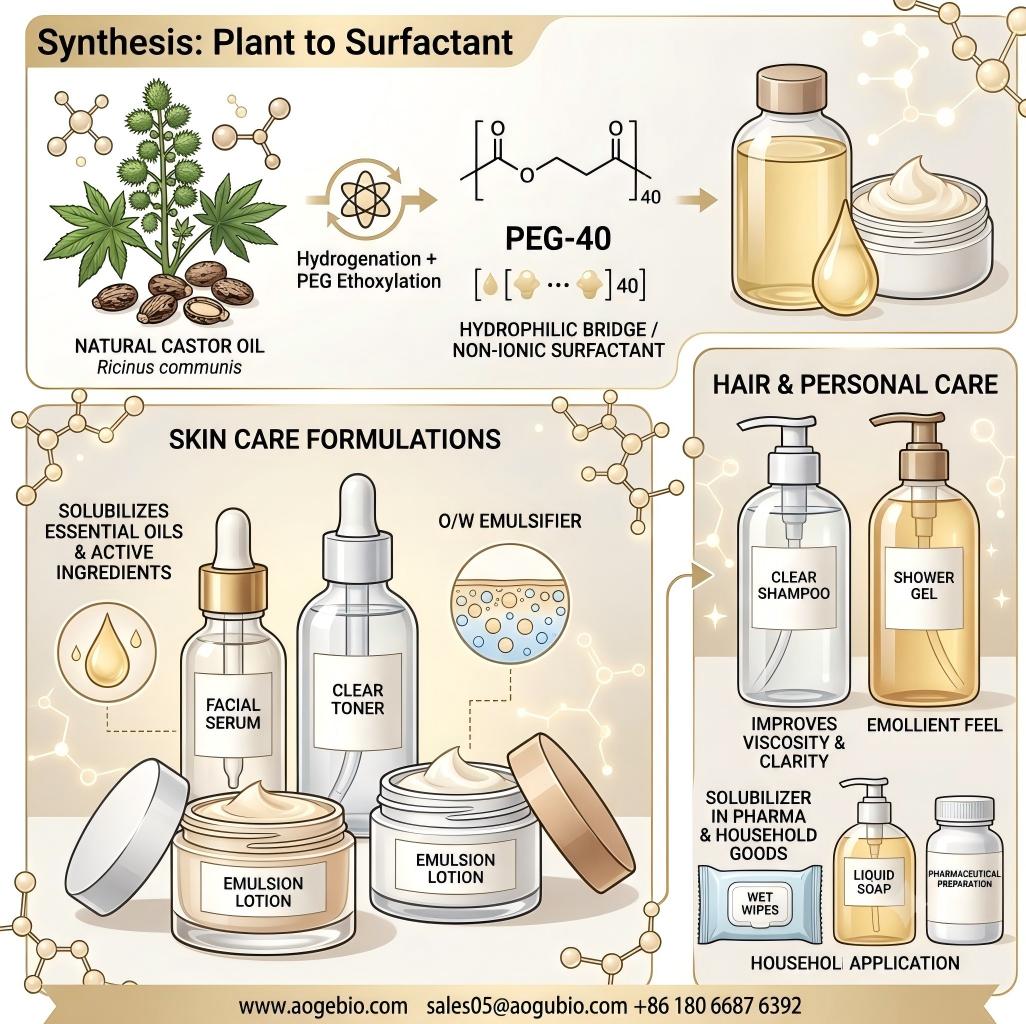
Non - ionic surfactants commonly used in cosmetics mainly include ethylene oxide adducts, polyoxyethylene lauryl ether, coco fatty acid diethanol amide, oleic acid monoglyceride, polyoxyethylated castor oil, and ethoxylated lanolin. These surfactants are non - irritating to the skin, have good emulsifying, solubilizing, and stability properties, and have excellent compatibility with other types of surfactants.
Non - ionic surfactants are the most widely used surfactants in cosmetics. For example, in skin - care creams and lotions, non - ionic surfactants like polyoxyethylene fatty acid esters are often used as emulsifiers to help mix oil and water phases evenly. A research in the Cosmetics and Toiletries magazine pointed out that non - ionic surfactants can form stable emulsions and contribute to the long - term stability of cosmetic products. Although a specific citation was not provided initially, industry - wide knowledge and numerous product - formulation studies confirm this. Non - ionic surfactants are crucial in maintaining the integrity of emulsion - based cosmetic products, preventing phase separation over time, and ensuring consistent product quality and performance for consumers.
Conclusion
Surfactants are essential ingredients in cosmetics, and their functions are diverse and crucial for the performance and quality of cosmetic products. As consumers become more concerned about the safety and efficacy of cosmetics, the development of surfactants is also moving towards more natural, low - irritation, and high - performance directions. In the future, the research and development of surfactants will continue to drive the innovation and development of the cosmetics industry, providing consumers with safer and more effective cosmetic products.